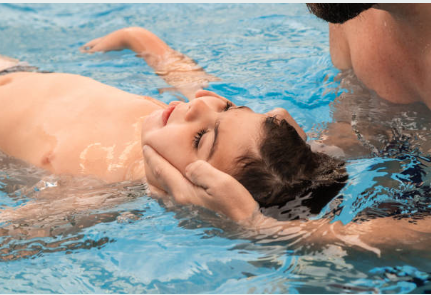
Children with cerebral palsy may experience muscle stiffness, weakness, reduced balance and impaired coordination, all of which can affect sitting, standing, walking and participation in daily activities. Aquatic therapy for children with cerebral palsy provides a structured, water-based approach to rehabilitation. In a controlled pool, buoyancy supports the body and reduces physical strain, while guided exercises are used to improve strength, flexibility, posture, balance and mobility. Each session is planned according to the child’s functional needs and is carried out under professional supervision.
“Aquatic therapy offers children with cerebral palsy a supportive way to practise movement with less strain. When personalised to the child’s needs, it may help improve strength, balance and mobility,” says Dr. Purva Pande,14 years of experience in neurodevelopmental and sensory integration therapy, Pediatric Physiotherapist in Gurgaon, Milestones Child Development Center
How Aquatic Therapy Helps Children with Cerebral Palsy
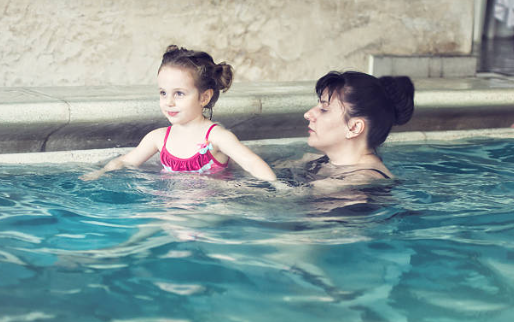
How Buoyancy Reduces Pressure on Joints and Muscles
How Water Resistance Supports Muscle Strength
How Warm Water Supports Comfortable Movement
Benefits of Aquatic Therapy
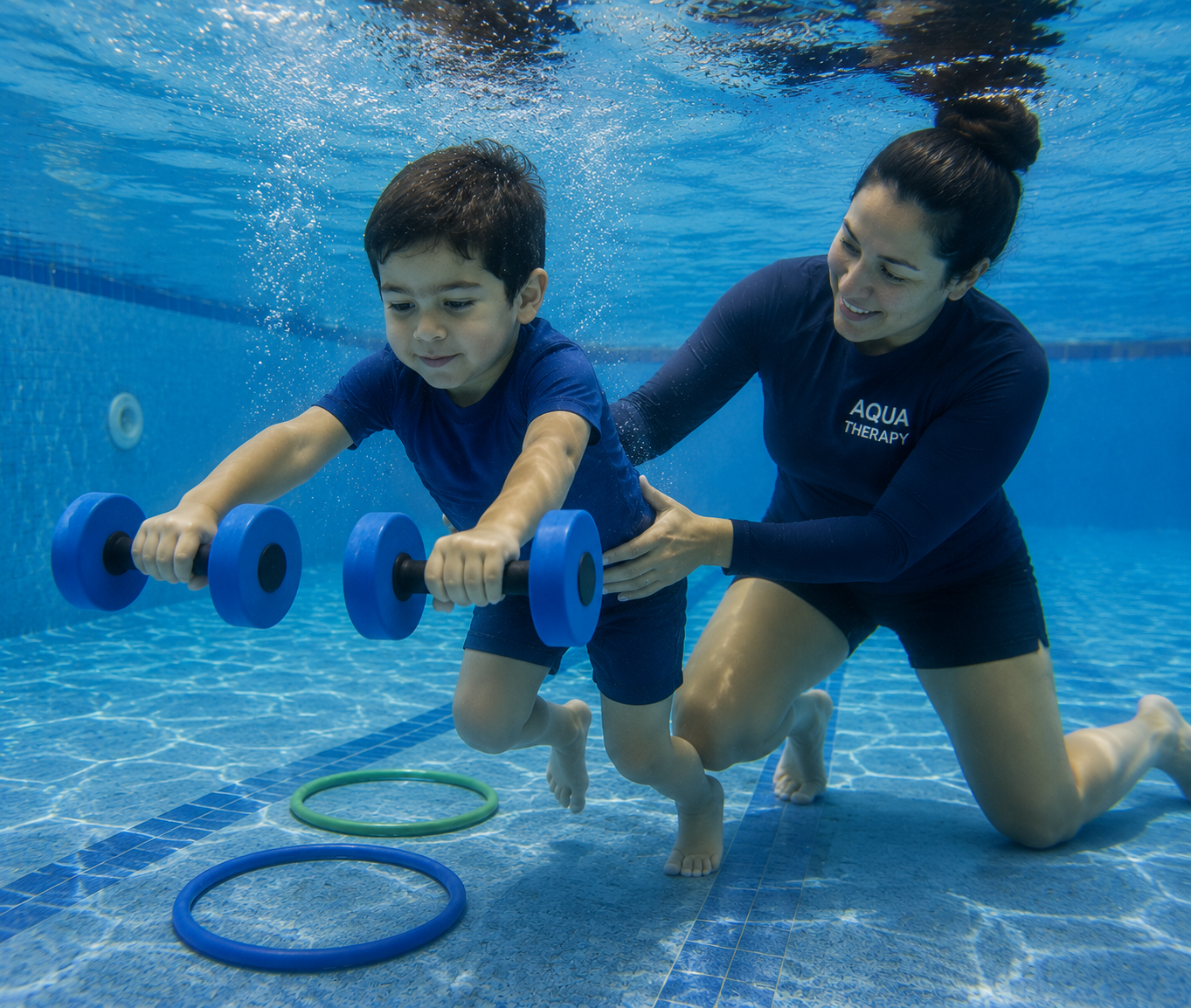
The goals of treatment are decided after the child has been assessed. Aquatic therapy is not used to cure cerebral palsy. Instead, it may be used to support movement, physical participation, and confidence.
Possible benefits include:
- Better joint mobility and range of motion
- Improved muscle strength and endurance
- Practice of posture and trunk control
- Supported balance and coordination
- Safer standing and walking practice
- Improved body awareness
- Greater confidence during physical activity
- Increased enjoyment of exercise
The same results may not be seen in every child. Progress is influenced by age, physical ability, associated medical conditions, and regular participation in therapy.
Best Aquatic Therapy Exercises for Children with Cerebral Palsy
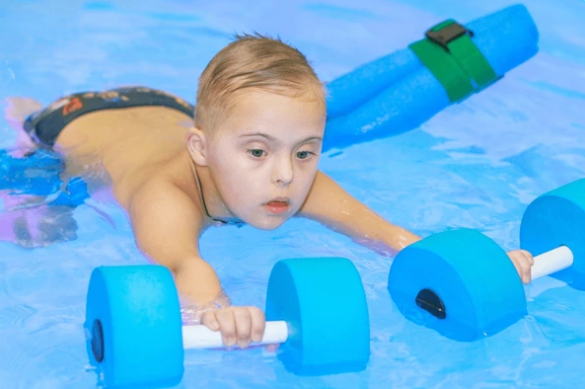
A standard set of exercises is not followed for every child. Activities are selected according to the child’s needs and therapy goals.
Buoyancy-Assisted Movement Exercises
The child may be supported while reaching, kicking, rolling, or changing positions. Movements that are difficult on land may sometimes be started more easily in water.
As control improves, the amount of support may be reduced gradually.
Balance and Postural Control Exercises
Standing, sitting, turning, and weight-shifting exercises may be performed in the pool. These activities are used to support trunk control and body stability.
The pressure of water provides feedback around the body, which may help the child become more aware of posture and movement.
Water-Based Walking and Gait Training
Walking may be practised at a suitable water depth. Forward walking, side stepping, and weight transfer may be included.
Because some body weight is supported by water, stepping may be repeated with less strain. Posture, foot placement, and balance are observed by the therapist.
Stretching and Joint Mobility Exercises
Gentle stretching may be used for the hips, knees, ankles, shoulders,s or trunk. Movements are performed within a comfortable range and should never be forced.
Aquatic Therapy vs Physiotherapy for Cerebral Palsy
Aquatic therapy and land-based physiotherapy are not the same. Each approach has a different role, and both may be included in the child’s rehabilitation plan.
|
Aquatic Therapy |
Land-Based Physiotherapy |
|
Movement is practised with water support |
Movement is practised under normal gravity |
|
Pressure on joints may be reduced |
Daily movement conditions are recreated |
|
Resistance is provided by water |
Resistance is provided by equipment or body weight |
|
Supported balance and walking are practised |
Functional sitting, standing, and walking are practised |
Aquatic therapy for children with cerebral palsy does not usually replace traditional physiotherapy. Skills practised in the pool must also be repeated on land so they can be used during everyday activities.
What to Expect During Aquatic Therapy for Cerebral Palsy
Before aquatic therapy is started, the child’s movement, muscle tone, strength, joint mobility, balance and endurance are assessed. Medical history, seizure control, breathing concerns, and comfort in water may also be reviewed.
A personalised programme is then prepared. The session may include stretching, supported standing, walking practice, balance work, or strengthening exercises.
The duration and frequency of aquatic therapy for children with cerebral palsy are not the same for every child. They are decided according to age, tolerance, goals, and progress.
Changes in movement, flexibility, endurance, or participation may be recorded. Exercises may then be adjusted when needed.
Is Aquatic Therapy Safe for Children with Cerebral Palsy?
Aquatic therapy can be conducted safely when a child has been assessed and treatment is provided in a supervised environment.
Additional medical advice may be required when a child has:
- Poorly controlled seizures
- Open wounds or skin infections
- Fever or contagious illness
- Significant heart or breathing concerns
- A recent operation or injury
- Difficulty controlling body temperature
- Severe fear of water
This is not a complete list. The child’s doctor and therapy team should be consulted when medical concerns are present.
Safe pool entry, water temperature, hygiene, and continuous supervision should be maintained during every session.
Is Aquatic Therapy Right for Your Child with Cerebral Palsy?
Aquatic therapy may be considered when movement on land is tiring, difficult, or uncomfortable. It may also be suggested when the child requires supported balance, strengthening, stretching, or walking practice.
However, suitability cannot be decided from the diagnosis alone. The child’s overall health, communication, sensory needs, mobility and comfort in water must also be considered.
At Milestones Child Development Center, the child is assessed before a water-based programme is recommended. The Aqua Therapy in Gurgaon service may be combined with physiotherapy and other developmental therapies when appropriate.
Frequently Asked Questions About Aquatic Therapy for Cerebral Palsy
How Many Aquatic Therapy Sessions Does a Child Need?
The number of sessions depends on the child’s physical needs, therapy goals and response to treatment. A personalised schedule is usually recommended after assessment.
Is Aquatic Therapy the Same as Hydrotherapy?
The terms are often used interchangeably. Both generally refer to therapeutic exercises performed in water under professional guidance.
Does a Child Need to Know How to Swim for Aquatic Therapy?
No. Swimming skills are not required. Support and suitable equipment are provided according to the child’s needs.
Can Aquatic Therapy Replace Physiotherapy?
Aquatic therapy is usually used alongside land-based physiotherapy. Every day, movements must still be practised outside the pool.
