Blogs
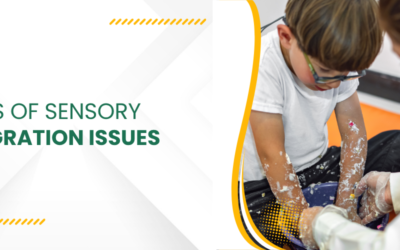
Signs Your Child May Have Sensory Integration Issues
Sensory integration issues occur when the brain doesn't process input from the body's senses reliably, producing responses that seem disproportionate or completely absent. It's not a behaviour problem. A child who screams when clothes touch their skin isn't being...
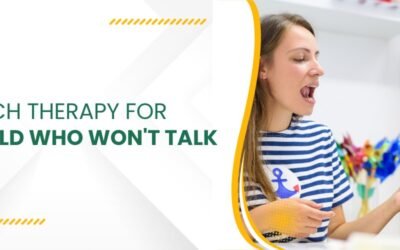
How Does Speech Therapy Help a Child Who Won’t Talk?
Speech therapy directly addresses the neurological, motor, and behavioural barriers that stop a child from speaking. A child who doesn't talk isn't simply "late" there's usually a specific reason: delayed language processing, oral motor weakness, sensory...
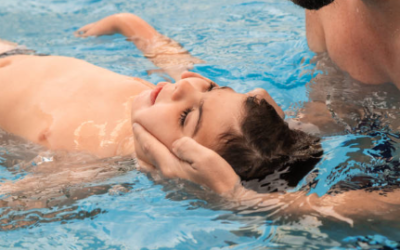
Aquatic Therapy for Children with Cerebral Palsy
Children with cerebral palsy may experience muscle stiffness, weakness, reduced balance and impaired coordination, all of which can affect sitting, standing, walking and participation in daily activities. Aquatic therapy for children with cerebral palsy provides a...
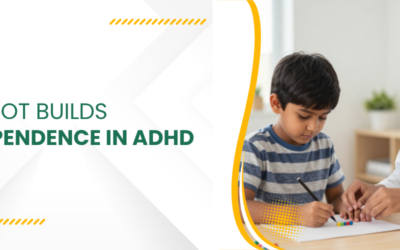
How does OT build independence in children with ADHD?
ADHD makes everyday tasks harder than they look. Getting dressed, packing a bag, sitting through homework. The child isn't lazy. The brain just struggles to plan steps and stay with them. Occupational therapy breaks those tasks down, builds the focus and motor skills...
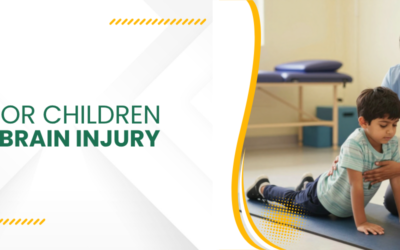
How does NDT help children with brain injury?
A brain injury disrupts the signals between the brain and muscles, leaving movement stiff, weak, or uncoordinated. The child intends to move, but the motor commands arrive distorted. Neurodevelopmental therapy corrects this through hands-on guidance, with the...
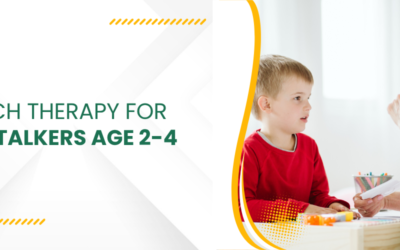
How does speech therapy help late talkers aged 2 to 4?
A late talker is a toddler who understands plenty but isn't using words the way other kids their age do. Speech therapy steps in before the gap becomes a real problem. Therapists use play, modelling, gestures, and structured routines to pull words out of kids who have...
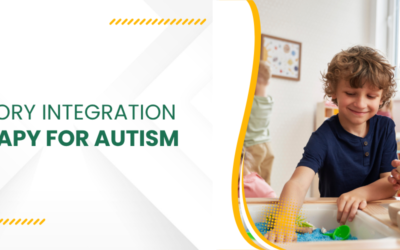
How does sensory integration therapy help children with autism?
Kids on the spectrum process the world differently. A ceiling fan sounds like a jet engine. The label inside a t-shirt feels like glass. So therapists use swings and brushes and weighted blankets to teach the brain that these signals are okay. Not scary. Just signals....
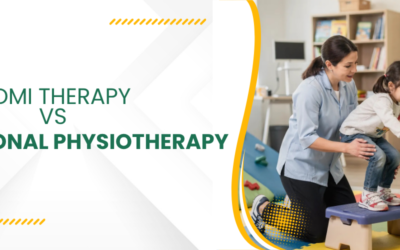
DMI Therapy vs Traditional Physiotherapy: What Makes the Difference
DMI therapy and traditional physiotherapy differ primarily in their approach to motor learning, with DMI focusing on high-repetition, hands-on, progressive challenges that induce neuroplasticity, while traditional physiotherapy centers on strengthening, stretching,...
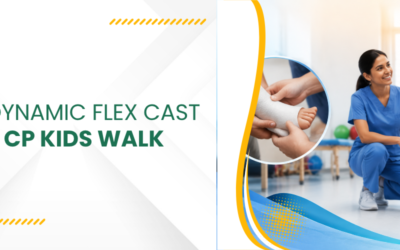
How Dynamic Flex Cast Helps Children With Cerebral Palsy Walk Better?
Dynamic Flex Cast improves walking in children with cerebral palsy by using soft, semi-flexible casts that gently align the feet and ankles, reduce spasticity, and promote active movement. Unlike rigid plaster casting, it allows continuous muscle engagement, building...

Occupational Therapy for Kids with Gravitational Insecurity
Does your child show hesitation to climb on playground equipment, ride on swings, and even balance themselves on uneven surfaces? This could be a symptom of gravitational insecurity. It is a sensory processing issue wherein children develop an intense fear or...