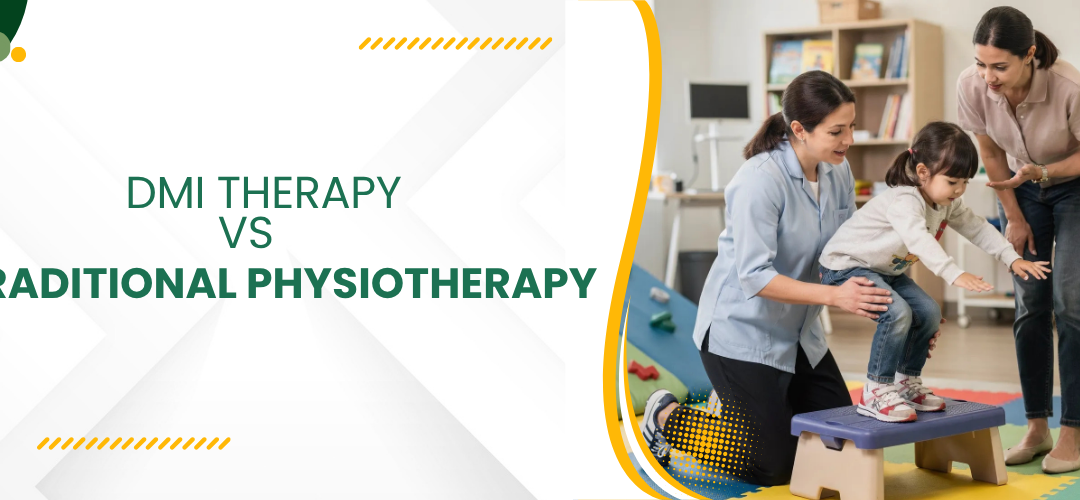
DMI therapy and traditional physiotherapy differ primarily in their approach to motor learning, with DMI focusing on high-repetition, hands-on, progressive challenges that induce neuroplasticity, while traditional physiotherapy centers on strengthening, stretching,...
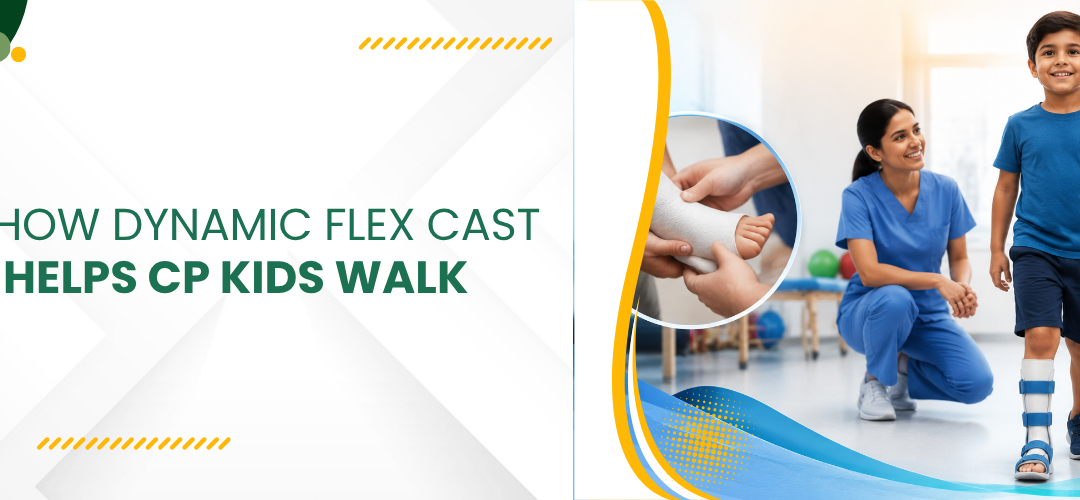
Dynamic Flex Cast improves walking in children with cerebral palsy by using soft, semi-flexible casts that gently align the feet and ankles, reduce spasticity, and promote active movement. Unlike rigid plaster casting, it allows continuous muscle engagement, building...
Genetic syndromes are conditions that are caused by abnormal genes or chromosomes. These syndromes can affect a child’s physical and intellectual development. It’s important for parents to be aware of the signs and symptoms of genetic syndromes and to seek early...
Early intervention therapy is a type of therapy that is designed to address developmental delays in children as early as possible. The goal of early intervention therapy is to help children catch up to their peers and reach their full potential in all areas of...
Neurodevelopmental therapy (NDT) is a specialized approach to therapy that is designed to help children with complex needs, such as cerebral palsy, autism, and developmental delays. NDT focuses on promoting motor development, improving muscle tone and strength, and...