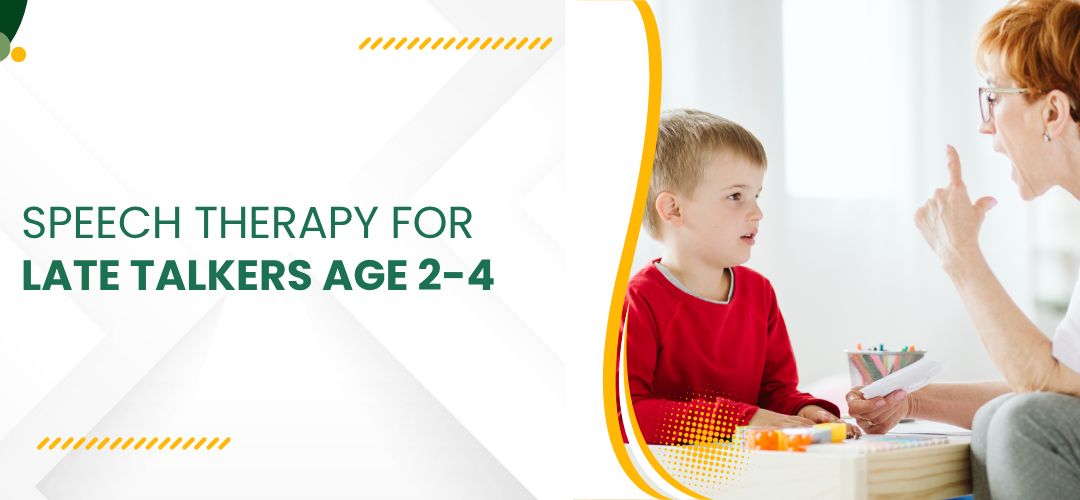
A late talker is a toddler who understands plenty but isn’t using words the way other kids their age do. Speech therapy steps in before the gap becomes a real problem. Therapists use play, modelling, gestures, and structured routines to pull words out of kids who have them locked inside. Some children take off in a few weeks. Others need longer. Either way the earlier it starts, the less ground there is to cover.
According to Dr. Purva Pande, a specialist in Speech Therapy for Children in Gurugram, Parents keep getting told to wait it out. Wait for what exactly. By the time the child is four, you’ve lost two years of brain plasticity that you can’t get back.
Is your 2 or 3 year old still pointing instead of asking?
What signs mean a toddler needs speech therapy?
Not every quiet toddler requires intervention. However, certain patterns are clinical indicators that warrant professional evaluation.
Word count: A two year old typically has a vocabulary of around 50 words and begins combining two of them into short phrases. A child with only ten words and no word combinations falls below the expected milestone.
Pointing only: The child relies on gestures to communicate needs, such as taking a parent’s hand to the fridge instead of verbalising the request. Receptive understanding is intact, but expressive language is absent.
No imitation: The toddler does not copy animal sounds or attempt to repeat simple words during play. Absence of vocal imitation is one of the earliest markers of expressive delay.
Frustration episodes: Tantrums that appear disproportionate to the trigger often reflect an inability to communicate a need. Behavioural outbursts frequently substitute for missing verbal skills.
Delaying assessment can prolong the gap rather than close it. Toddlers who begin therapy between ages 2 and 4 typically show faster progress than those who start later. Read more about Speech Delay Therapy in Gurgaon.
What techniques do therapists use during sessions?
Sessions don’t look like classrooms. They look like playtime with a purpose hiding underneath every toy.
Modelling: The therapist says the word the child should be saying, again and again, in the right moment. Not asking. Not pushing. Just feeding the word in until the brain grabs it.
Choice giving: Holding up a banana and a biscuit and waiting. No prompt, no rescue. The child has to use a word or gesture to get what they want. Powerful stuff, builds intent fast.
Pause and wait: Reading a familiar book and stopping mid sentence. The child often fills in the blank without even realising. Works brilliantly for kids who hate being put on the spot.
Imitation play: Blowing bubbles, popping them, making sound effects together. Sound imitation comes before word imitation. Skip this step and the rest falls apart.
Most kids do two sessions a week. Parents get a home plan too because 45 minutes in a clinic won’t do it alone. Read about speech therapy for echolalia in children to understand related speech patterns toddlers often show.
Why Choose Dr. Purva Pande?
Dr. Purva Pande founded Milestones after years of paediatric work across Delhi NCR. Each therapist on the team brings over 20 years of individual experience handling speech delays, autism, and developmental issues in young children.
Kids who came here at two and weren’t talking are now in mainstream playschools holding conversations. No miracle, just steady work. Parents see real change inside the first three months.
Frequently Asked Questions
When should I worry about my toddler not talking?
By age 2 if there are under 50 words or no two-word phrases.
Can a late talker catch up without therapy?
Some do, but waiting past age 3 lowers the odds significantly.
How long does speech therapy take to show results?
Most toddlers show change within 8 to 12 weeks of regular sessions.
Is my child too young for speech therapy?
No. Therapy can start as early as 18 months when concerns appear.
Reference links:
- PubMed – Late Language Emergence Literature Review
- NCBI – Prenatal and Perinatal Risks for Late Language Emergence
Disclaimer: The information shared in this content is for educational purposes and not for promotional use.