
Kids on the spectrum process the world differently. A ceiling fan sounds like a jet engine. The label inside a t-shirt feels like glass. So therapists use swings and brushes and weighted blankets to teach the brain that these signals are okay. Not scary. Just signals. Over weeks the meltdowns shrink. The eating expands. Sleep gets better. That’s pretty much it.
According to Dr. Purva Pande, the founder of Milestones, a leading Child Development Center in Gurugram, Sensory processing difficulties in autistic children respond best to structured therapy started before age four, when neural plasticity is at its peak.
Is your child melting down in places that seem normal to you?
What signs show a child needs sensory integration therapy?
Sensory stuff shows up in weird ways. Most parents notice but don’t have a name for it yet.
Sound stuff: Hands over ears when the mixie starts. Shrieks in marriage halls. But you can call their name ten times and nothing.
Touch stuff: Cuts out every clothing tag. Won’t let anyone near with scissors for a haircut. Or the opposite: kid who jumps off the sofa into a pile of cushions all day because the body wants more.
Eating stuff: Three foods. Maybe four. New texture goes in, comes right back out. Mealtimes become wars and nobody wins.
Movement stuff: Spinning for ten minutes and not getting dizzy. Crashing into things on purpose. Climbing the bookshelf even after you’ve said no twenty times.
None of this is bad parenting. None of it is the kid being difficult. It’s wiring. And wiring responds to the right kind of input. Read more about Occupational Therapy for Children in Gurugram.
What does a sensory integration therapy session look like?
Walk into a session and it looks like soft play. There’s a reason for everything though.
Swings: Platform, bolster, net, hammock. Each one does something different to the inner ear and balance system. The therapist picks based on what the kid walked in like that morning.
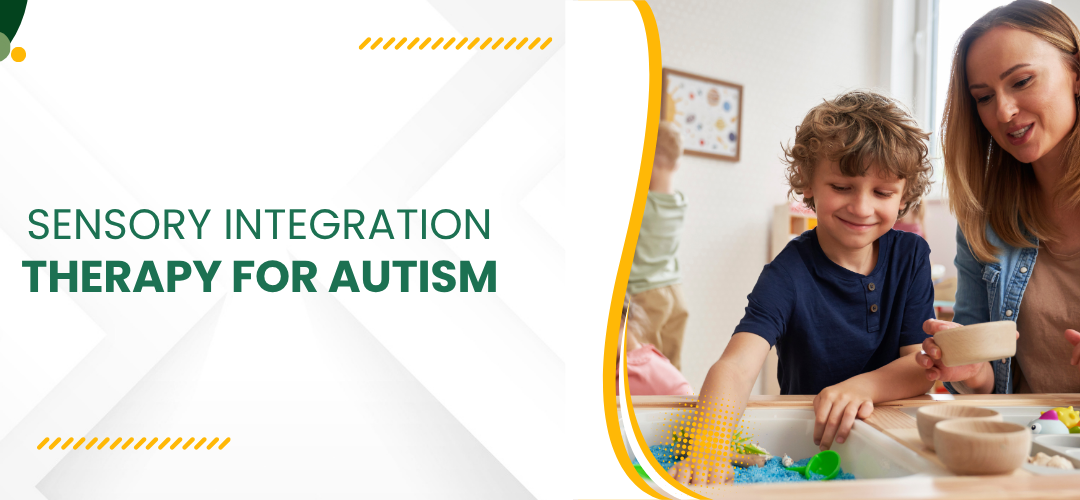
Messy bins: Rice. Lentils. Foam. Slime. The child who screamed at finger paint last month will dip a hand in by week six. Small wins but they stack up.
Heavy work: Pulling a wagon loaded with books. Pushing a therapy ball across the room. Climbing wedges. Sounds like exercise but it’s actually how the nervous system calms down.
Brushing protocol: A surgical brush on arms and legs, then gentle joint squeezes. Looks weird from the outside. Some kids ask for it by week three.
Sessions are about 45 minutes. Twice a week mostly. And there’s always homework because the clinic alone can’t do it. Read about occupational therapy for kids with attention issues since sensory and attention problems often go together.
Why Choose Dr. Purva Pande?
Dr. Purva Pande started Milestones after seeing too many kids stuck in therapy that wasn’t really working. Each therapist on her team brings over 20 years of individual experience across autism, cerebral palsy, and sensory work.
Kids who didn’t improve elsewhere often turn a corner here within three months. Sleeping through the night. Trying new food. Sitting in a classroom without melting down. Real things, not slogans.
Frequently Asked Questions
What age should sensory therapy start for autism?
Around 18 months when red flags first show up.
How long does sensory integration therapy take to work?
Most kids show change in 8 to 12 weeks.
Can sensory integration therapy cure autism?
No. It helps with sensory issues, not autism itself.
Is sensory integration therapy safe for toddlers?
Yes, with a trained paediatric occupational therapist.
Reference links:
Disclaimer: The information shared in this content is for educational purposes and not for promotional use.