
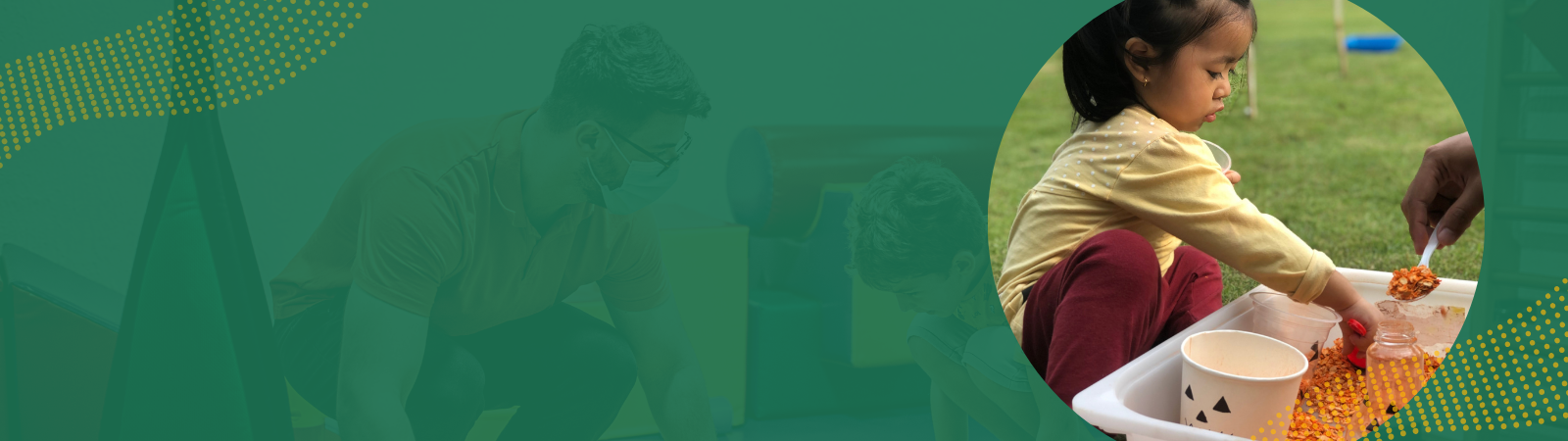
Every child perceives and interacts with the world differently. When sensory input (touch, movement, sound, balance, body awareness) feels too overwhelming or underwhelming, it can disrupt daily functioning, learning, and behaviour. Sensory Integration Therapy in Gurgaon helps children process these sensory experiences more effectively.
Dr. Purva Pande, a highly experienced pediatric physiotherapist in Gurugram, leads this therapy at Milestones Child Development Centre with personalised programs that improve focus, motor skills, emotional regulation, and social participation.
Learn how Sensory Integration Therapy works and what to expect. Contact us for details.
Signs Your Child May Need Sensory Integration Therapy
Sensory challenges often look like behaviour or delay but stem from processing difficulties. Common indicators include:
Covers ears to normal sounds or refuses certain fabrics
Frequent bumping into objects, poor balance, or deep pressure‑seeking
Avoids movement‑based play like swings or slides
Difficulty with handwriting, buttoning, and using scissors

Emotional meltdowns during transitions
Doesn’t react when called or has high pain tolerance
“Early intervention through Sensory Integration Therapy helps children develop better sensory processing skills, leading to improved focus, behaviour, and emotional regulation,” says Dr. Purva Pande, Pediatric Physiotherapist, Milestones CDC.
Recognising these signs early helps your child thrive with the right support.
How Milestones CDC Approaches Sensory Integration Therapy
At Milestones CDC, therapy is structured, evidence‑informed, and child‑centred:
Comprehensive Sensory Assessment: Evaluates how your child processes touch, movement, sight, sound, and body awareness
Personalised Plan: Activities tailored to your child’s sensory profile
Play‑Based Sessions: Fun, purposeful tasks that build tolerance and skills
Parent Training: Practical strategies to reinforce progress at home

Team Collaboration: Coordination with occupational therapists, physiotherapists, and speech therapists for holistic care
Benefits of Early Sensory Integration Therapy for Children
Starting therapy early supports the developing brain and leads to measurable improvements:
Better attention and task focus
Stronger motor coordination (gross and fine)
Reduced overreaction to sensory triggers
Improved social interaction skills
Emotional self‑regulation during routines
Higher independence with daily tasks like dressing or playing

Who Can Benefit from Our Sensory Therapy Programs?
This therapy supports a wide range of children, including those who:
Were born prematurely and missed key developmental milestones
Have sensory‑seeking behaviours (spinning, crashing)
Experience extreme picky eating or sensory avoidance
Have learning challenges or motor planning delays
Show overwhelm in busy environments
May have neurodevelopmental conditions like autism or ADHD

The therapy is especially impactful when tailored for each child’s sensory profile—ensuring relevance, safety, and progress.
Whether your child has a formal diagnosis or you simply notice behaviors that seem offbeat, structured sensory integration can foster more balanced development.
Why Choose Milestones CDC for Sensory Integration Therapy in Gurugram?
Led by Dr. Purva Pande: Trusted pediatric physiotherapist with extensive experience in sensory and developmental care
Child‑Specific Sensory Profiles: Each programme begins with a detailed evaluation
Well‑Equipped Sensory Gym: Safe, engaging equipment to support tactile, movement, and body awareness challenges
Evidence‑Backed Techniques: Align with global standards and best practices
Multidisciplinary Support: Coordinated care with physiotherapy, occupational therapy, and speech therapy
Parent Participation: Real‑world strategies for home and school situations

Book a personalised assessment and start your child’s therapy journey today.
Frequently Asked Questions
How long until I see results?
Many families notice subtle improvements within 4–6 weeks of consistent sessions. Deeper gains occur over months with steady therapy.
Is therapy suitable for young toddlers?
Yes. Early years are critical for sensory system development, and toddlers often respond very well.
Can it help with food textures or messy play avoidance?
Yes. Therapy gently introduces sensory experiences to build tolerance over time.
What should my child wear during therapy?
Comfortable, flexible clothing that allows free movement is recommended.
Do parents need to attend every session?
Parent involvement is encouraged, especially early on, to reinforce techniques and ensure consistency.