Does your child show hesitation to climb on playground equipment, ride on swings, and even balance themselves on uneven surfaces? This could be a symptom of gravitational insecurity. It is a sensory processing issue wherein children develop an intense fear or discomfort when their balance or positioning in space is challenged by certain movements.
Children with this condition avoid activities in which changes are made to their positioning in relation to the ground, such as swinging or climbing. This situation can seriously affect their social and physical development and make them anxious in common, everyday situations that also involve movement. Occupational therapy for kids with gravitational insecurity is one of the highly effective treatments wherein children gradually learn to overcome their fear and enhance their sense of balance, coordination, and confidence.
According to Dr. Purva Pande, a pediatric occupational therapist in Gurgaon, “Gravitational insecurity is not just about fear; it’s a real sensory challenge that impacts a child’s balance and coordination. Occupational therapy provides a structured, supportive way for children to regain their sense of security and independence.
At Milestones CDC, we help children with issues related to gravitational insecurity through most effective occupational therapy in Gurgaon. Led by Dr. Purva Pande, our team is committed to providing individualized care that supports each child’s unique needs.
Dr. Pande emphasizes, “By using a structured, gradual approach in occupational therapy, we help children process sensory information more effectively, reducing their anxiety and improving their ability to engage with movement-based activities.” Milestones CDC offers a comprehensive approach that combines sensory integration techniques with movement-based exercises to empower children by helping them successfully tackle daily activities.
Let’s look at the common signs that may suggest a child has this condition.
Recognizing the Signs of Gravitational Insecurity in Children
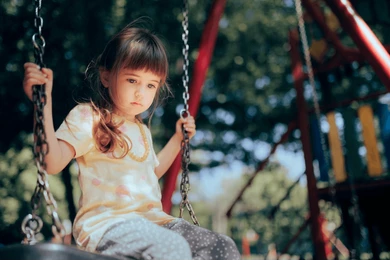
Children who have gravitational insecurity may manifest the following symptoms:
Acrophobia/Acrophobic:
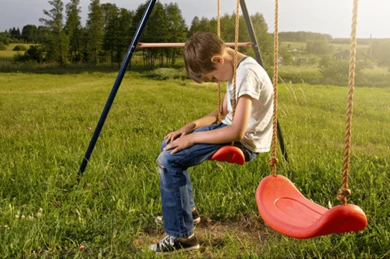
Avoidance of high places or equipment like climbing structures, slides, or playground swings.
Unwillingness to Move:
Reluctance or refusal to proceed across uneven surfaces, to jump, or run due to fear of falling or losing balance.
Overreaction to movement:
Abnormal degree of fear or anxiety about movement, such as swinging or being lifted.
Physical Symptoms:
Complaints of dizziness, nausea, or discomfort when doing activities that involve movement or changes in position.
Clinginess:
Increased dependence on caregivers when navigating environments that involve movement or balance.
If you notice these behaviors, it could be an indication of gravitational insecurity in your child and possibly a need for occupational therapy.
Does your child avoid certain activities or feel anxious during play? Let’s discuss how gravitational insecurity can impact everyday tasks.
How Gravitational Insecurity Affects Daily Activities
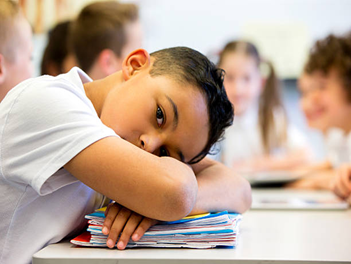
Gravitational insecurity can impact a child’s life to a large extent in daily activities at home and among peers. Children may face:
Problems at School:
Avoiding physical activities during gym class, sports, or recess can limit opportunities for socializing and physical development.
Play Problem:
Children may refuse to participate in group games or activities that require movement, such as tag or riding bikes, due to fear of losing balance or falling.
Limited Independence:
Children with gravitational insecurity may become overly dependent on caregivers for tasks that involve coordination or balance, such as climbing stairs, walking on uneven ground, or participating in group activities.
Increased Anxiety:
The constant avoidance of physical activities can lead to frustration, feelings of isolation, or anxiety about trying new things.
Addressing gravitational insecurity early on can prevent long-term challenges and improve the child’s overall sense of well-being.
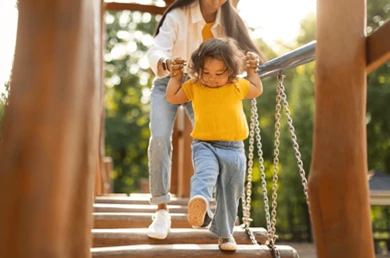
Wondering how OT helps with gravitational insecurity? Let’s discuss how occupational therapy supports balance, sensory processing, and confidence.
Role of Occupational Therapy in Managing Gravitational Insecurity
Occupational therapy helps children manage gravitational insecurity by targeting sensory processing, balance, and coordination. Therapists work with children to:
- Improve Sensory Processing:
By using sensory integration techniques, occupational therapists help children process movement and positional changes in a controlled and gradual manner.
-
Increase Comfort with Movement:
Therapists use various activities to desensitize children to movements that may trigger fear or anxiety, helping them become more comfortable and confident.
-
Enhance Balance and Coordination:
OT focuses on improving physical coordination and balance through exercises that encourage strength, stability, and proper posture.
-
Develop Coping Strategies:
Therapists teach children relaxation and coping techniques to manage anxiety associated with movement or changes in position.
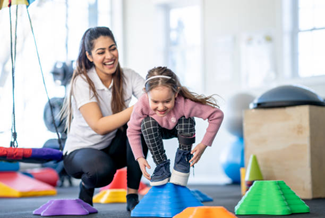
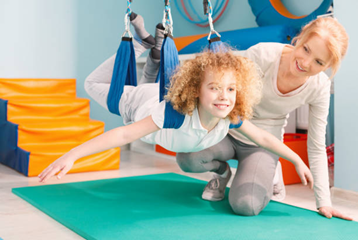
Therapists teach children relaxation and coping techniques to manage anxiety associated with movement or changes in position.
Dr. Purva Pande states, “Occupational therapy for kids with gravitational insecurity aims to empower children, providing them with the tools they need to handle movement-related challenges with confidence.”
Which techniques do occupational therapists use for gravitational insecurity? Let’s explore some of the key methods used in therapy.
OT Techniques for Addressing Gravitational Insecurity
Effective OT techniques for managing gravitational insecurity include:
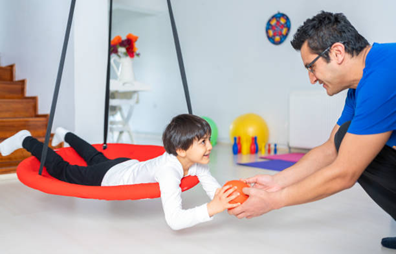
Swinging and Spinning:
Controlled swinging or spinning exercises that gradually help children get used to changes in position and movement.
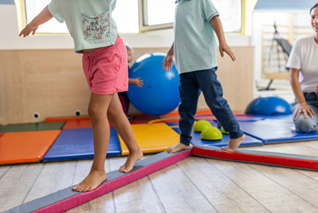
Balance and Coordination Exercises:
Activities like walking on balance beams, jumping, and other motor coordination tasks strengthen the child’s sense of balance.
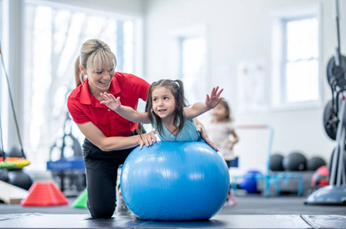
Deep Pressure and Weighted Activities:
These techniques help to calm and regulate the sensory system, reducing anxiety and fear associated with movement.
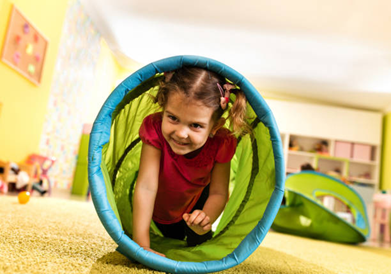
Movement Challenges:
Structured play activities that involve controlled movement, such as crawling through tunnels or walking on uneven surfaces, can help children build confidence in their movements.
How does gradual exposure help with gravitational insecurity? Let’s explore sensory integration techniques and their benefits.
Gradual Exposure and Sensory Integration Approaches
Gradual exposure involves slowly introducing children to activities that challenge their sense of balance, starting at a level they can handle and progressively increasing the difficulty. This helps children build tolerance and confidence without overwhelming them.
Sensory integration, a key element of occupational therapy, helps the brain process and respond to sensory information, including movement and balance. Over time, the child becomes more comfortable with physical movement and positional changes, reducing anxiety and increasing their ability to participate in everyday activities.
Not sure when to seek professional help? Let’s explore the signs that indicate it’s time to start occupational therapy.
When to Seek Occupational Therapy for Gravitational Insecurity
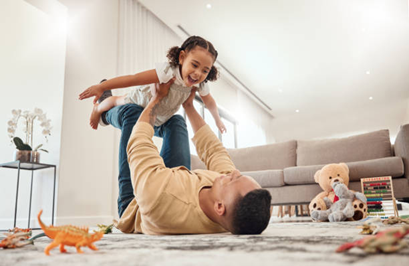
Supporting your child’s progress at home is key to reinforcing the skills learned during therapy. Some helpful strategies include:
- Creating a Safe Environment:
Ensure that your child has a safe space to practice movement activities, such as climbing, balancing, or jumping.
- Use Relaxation Techniques:
Practice deep breathing or calming exercises before and after activities that may cause anxiety.
- Incorporate Movement into Play:
Encourage activities like jumping on a trampoline, playing on a swing, or walking on different surfaces to build comfort with movement.
- Offer Positive Reinforcement:
Celebrate small achievements to boost your child’s confidence and motivation.
Let’s look at ways to support your child’s therapy outside of the clinic.
Supporting Children with Gravitational Insecurity at Home
- Avoiding movement:
If your child consistently avoids activities involving movement or changes in position.
- Fear of Heights:
Strong fear or anxiety about being on elevated surfaces like playground equipment or stairs.
- Difficulty with Balance:
Struggling to maintain balance or walk on uneven surfaces.
- Excessive Anxiety:
Extreme fear or discomfort during activities like swinging, jumping, or climbing.
- Impact on Daily Life:
When avoidance of movement starts affecting school, playtime, or social interactions.
- Physical Symptoms:
Complaints of dizziness, nausea, or discomfort during activities involving movement.
Conclusion
Gravitational insecurity doesn’t have to limit your child’s potential. Occupational therapy for kids with gravitational insecurity offers a pathway to improved balance, coordination, and confidence. By working with a specialist like Dr. Purva Pande, children can overcome their fears and develop the skills needed to navigate the world around them with ease.
Frequently Asked Questions
How long does occupational therapy take to show results?
Improvements can often be seen within a few months, depending on the child’s needs.
What types of activities help with gravitational insecurity?
Swinging, balance exercises, and deep pressure techniques are common activities.
How can I help my child at home with gravitational insecurity?
Yes, you can support your child by creating safe spaces for practice and encouraging relaxation exercises.
What role does sensory integration play in treating gravitational insecurity?
Sensory integration helps children process and adapt to sensory information related to movement.
Is gravitational insecurity linked to other conditions?
Yes, it can often co-occur with other sensory processing disorders or developmental challenges.
Reference links:
https://www.derbyshirehealthcareft.nhs.uk/download_file/view/3103/1908
https://www.academia.edu/35127833/Identifying_Gravitational_Insecurity_in_Children_A_Pilot_Study
Disclaimer: The information shared in this content is for educational purposes and not for promotional use.